
Stonewall Veterinary Hospital in Stonewall, MB
The Stonewall Veterinary Hospital team has proudly cared for pets in Stonewall, Winnipeg and the Interlake region for over 40 years and counting.

Proudly independently owned!
Proudly independently owned!
Proudly independently owned!
Proudly independently owned!
Proudly independently owned!
Proudly independently owned!
Proudly independently owned!
Proudly independently owned!
Proudly independently owned!
Proudly independently owned!
Proudly independently owned!
Proudly independently owned!
Proudly independently owned!
Proudly independently owned!
Proudly independently owned!

Helping Pets Live Their BEST Lives — Every Day
Locally and independently owned, our compassionate team of Fear-Free Certified professionals is here to support your pet’s health at every life stage — with personalized care, same-day availability, and a focus on wellness and comfort.

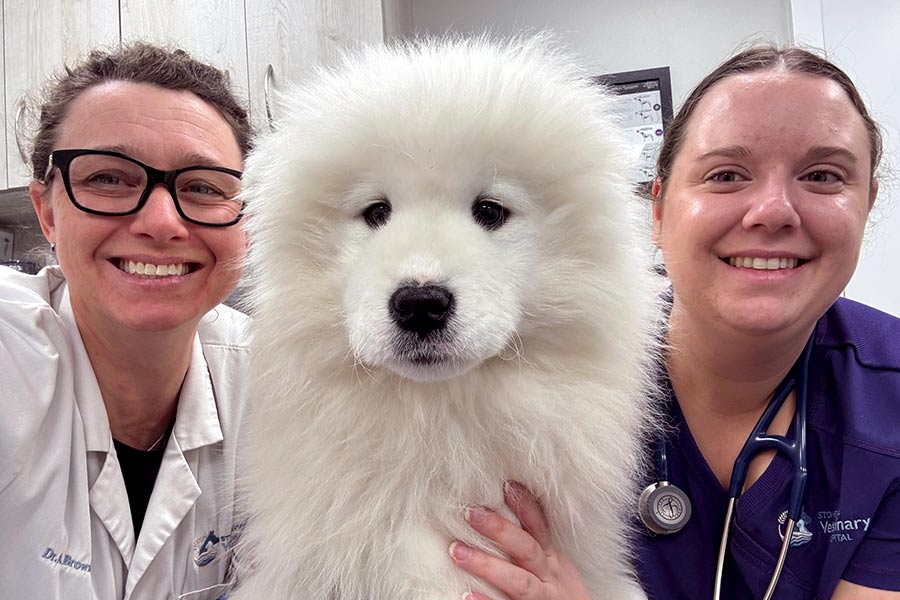
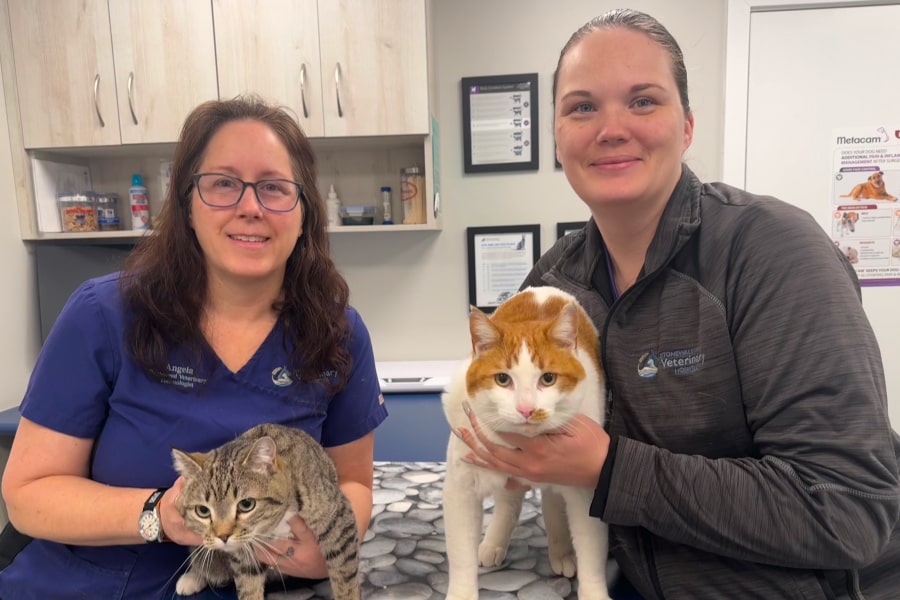
Full-Service Veterinary Care in Stonewall, Manitoba
At Stonewall Veterinary Hospital, we believe in helping your pet live their BEST life. From welcoming a new puppy or kitten to managing the golden years of a beloved senior, we’re here to provide thoughtful, effective care backed by experience, compassion, and modern equipment.
Fear-Free Certified Team
Same-Day Appointments
Trusted Local Care
We know your time is valuable — and so is your pet’s comfort. Our Fear-Free Certified team is trained to reduce stress during visits, making each appointment a positive experience.
Need urgent care? We offer same-day or next-day availability whenever possible. Plus, our in-house lab means faster answers.
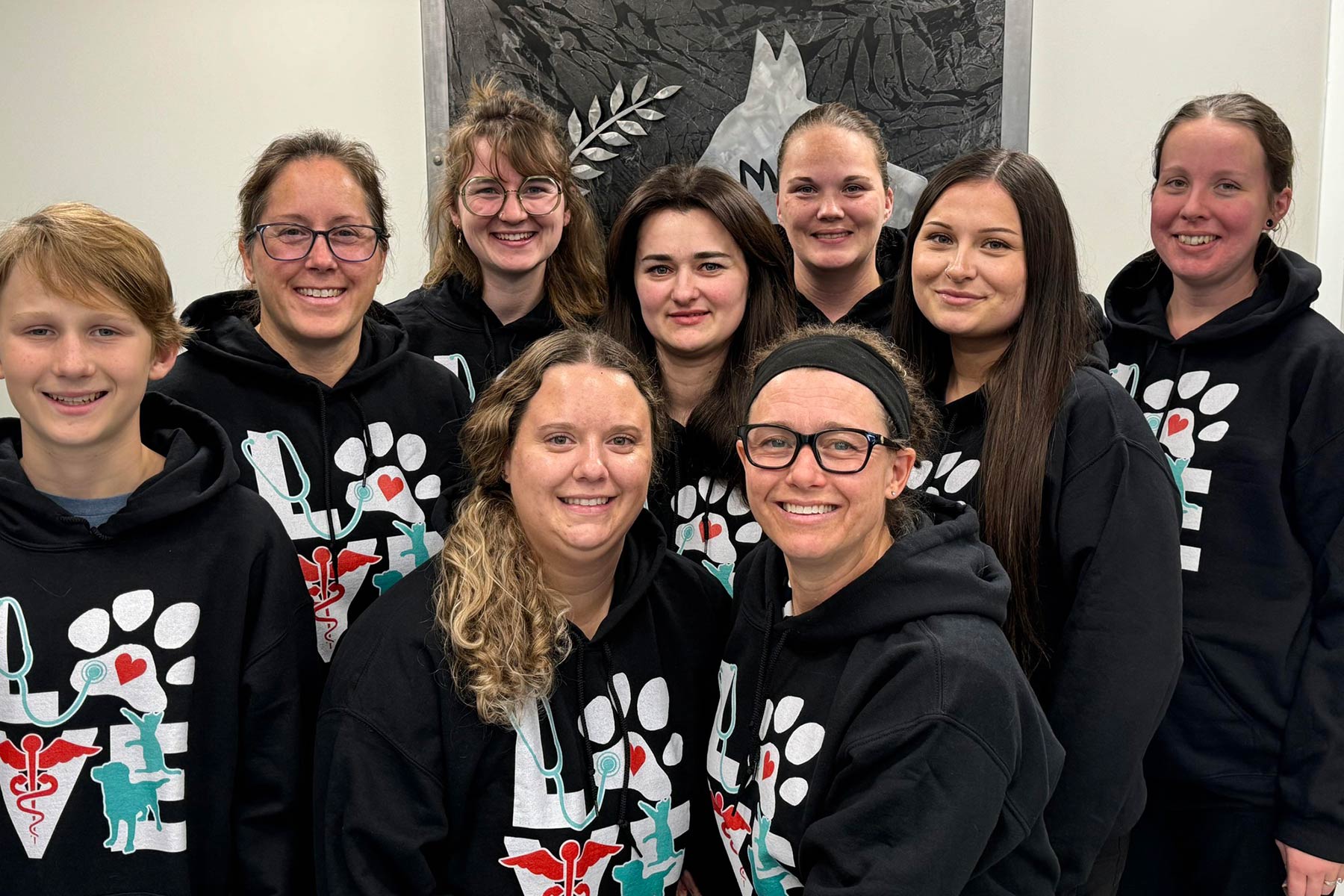
Meet the Veterinary Team at Stonewall Veterinary Hospital
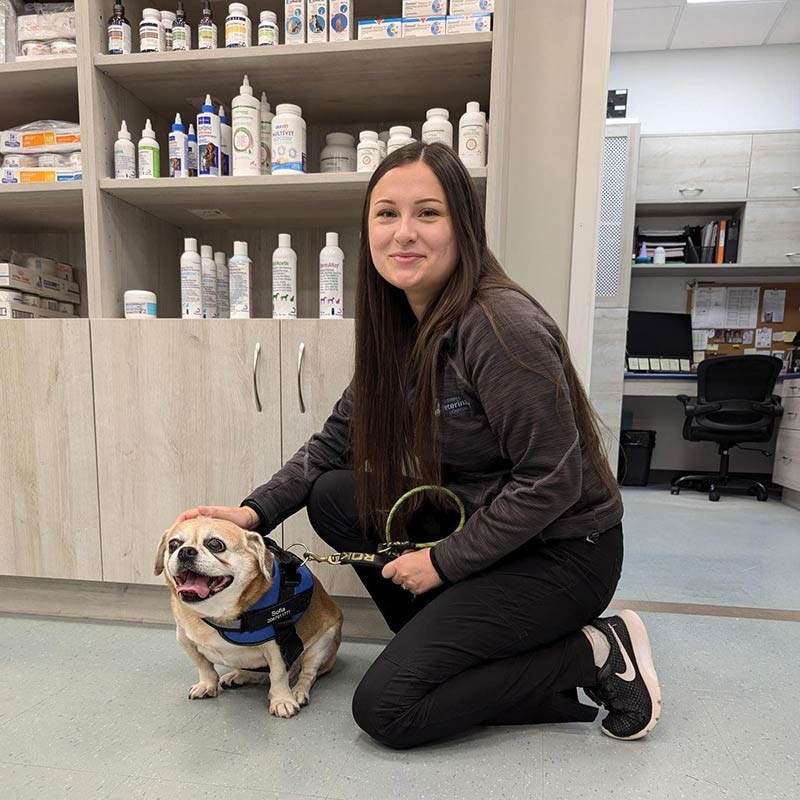
At our veterinary hospital in Stonewall, our team has decades of experience creating strong bonds with pets and their people. As a locally and independently owned vet hospital, we take the time to listen to your concerns and work with you to create a care plan that supports your pet’s unique needs.

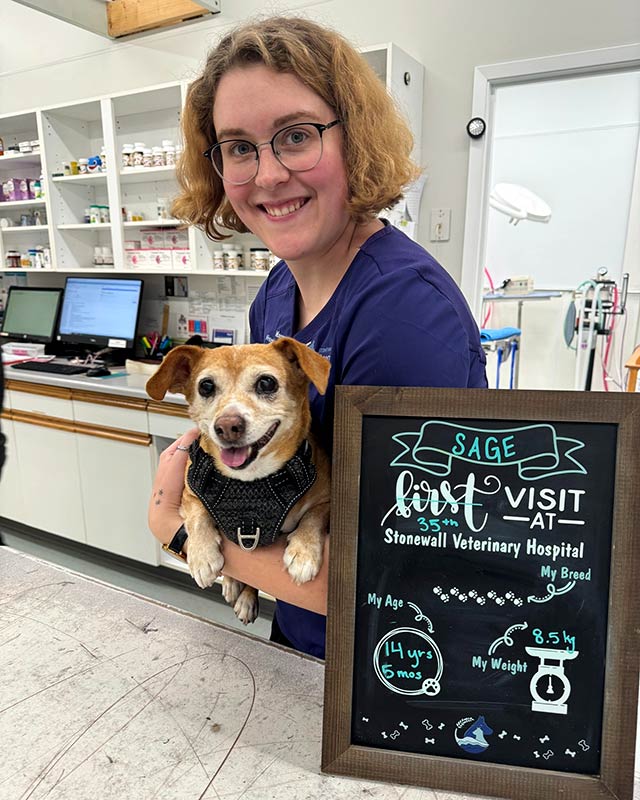
Thank You For Your Kind Words and Positive Feedback
Your trust means the world to us. We’re proud to be part of the Stonewall community, and we look forward to providing your pet with the best in veterinary care.
Kristen R. said...
“I have nothing but good things to say about Stonewall Vet. My dog has aggression towards strangers, and they were so understanding and patient. Receptionist Mallory was super nice as well. It was pricey, but the level of care was worth it.”
Fatima G. said...
“I would have to say this is the best vet we’ve ever been to. We have been bringing 8 animals here for over 5 years and have had no complaints. Dr. Brown is amazing at what she does :)”
Taylor B. said...
“I had the best experience at Stonewall Vet this past week. My cat had been having allergic reactions, which led to open wounds, and my previous vet told me time and time again that there was nothing to be done. I brought my cat here for a second opinion, and they worked wonders! After 4 months of agony, my cat is finally back to normal. Their exams are thorough, and they truly have the pet’s interests at heart. The pricing was also very reasonable. I continue to take my cat there, and I recommend them to anyone looking for an amazing vet!”